
 Author: Yanyan Yan
 Editor: Aaron J. Weissman
As long as I can remember, I have always enjoyed television drama series related to crimes and the legal profession. I still vividly recall being in college in Beijing, watching CSI and Criminal Minds. At least as far back as the early 2000s, Facebook and American television shows were readily accessible in China. I enjoyed learning about different legal systems and how legal professionals dissected and analyzed evidence through TV’s dramatic representations. While television dramatizations are often exaggerated, observing what they can teach allowed me to learn several basic, practical habits that remain valuable in the legal practice today: scrutinizing how evidence is gathered, evaluating credibility, and maintaining analytical discipline.
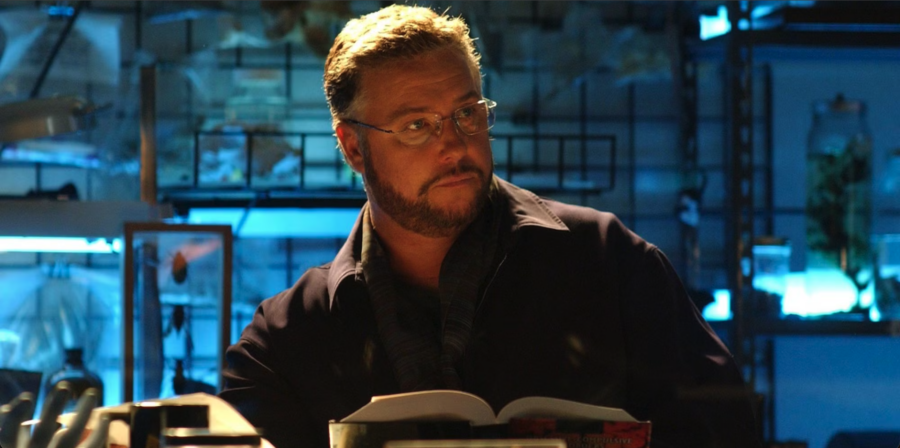
I learned the concept of “chain of custody” from these television shows. Admittedly, their methods were not always accurate. But they did inspire me to think like a defense lawyer. Grissom in CSI once commented, “When you cannot attack the evidence itself, you attack the method of gathering the evidence.”1 This was particularly true in the criminal prosecution of OJ Simpson, one of the most famous criminal trials in U.S. legal history.2 This famous trial provided an example of attacking the integrity of evidence gathering, where questions surrounding evidence handling and witness credibility became central themes in the defense strategy. Arguably, the mishandling of evidence and the racist comments made by Detective Mark Fuhrman contributed to OJ Simpson’s acquittal.
From a defense attorney’s standpoint, this tactic is a golden rule. We attack the methods of gathering evidence utilized by police and expert witnesses. We question how they collect evidence, conduct their analyses, their research, and the bases for their theories, searching for their weakest link.
We cannot forget about the character of witnesses. We propound interrogatories and conduct depositions to inquire about the criminal histories of plaintiffs and witnesses. We are not merely seeking evidence of convictions. More importantly, we are determining whether witnesses are truthful. Truthfulness is always an issue. Detective Fuhrman lost his credibility not only because of the content of his comments but also because he lied.3
Another lawyering skill I gleaned from these shows is to maintain a certain level of disassociation. On television, and in real life, it seems to never end well when professionals get too personally invested in a case. When it comes to evidence, disassociation means setting aside our preconceived notions and focusing on the evidence itself. We must analyze the value of the evidence and avoid making assumptions before deciding how to utilize it.
Disassociation also applies in dealing with parties. Our job is to zealously defend and to put our clients’ interest first. A certain level of disassociation helps us work professionally within boundaries and defend our clients more effectively.
While television dramas are primarily designed for entertainment rather than legal accuracy, they sparked my curiosity about evidence, credibility, and analytical thinking long before I became a practicing attorney. I now focus more on the potential value of any science and technology they present. Television crime shows educated me on the value of attacking the method of gathering evidence in addition to attacking the evidence itself, and the importance of disassociation. While I still enjoy a good crime show, not merely for the stories they tell, but for the reminders they provide about observation, discipline, and the importance of questioning assumptions.
Keep Reading
 Getting to Verdict One Issue at a Time
 The Scariest Thing This Halloween: Nuclear Verdicts®!
 A Fall Without a Proven Cause: Causation and the Duty to Preserve Surveillance Footage in Weathers v. John C. Choe, DDS, Inc.
 Special Report: Five Key Takeaways on Florida Plaintiff Tactics
 Plaintiffs’ Attempts to Expedite an Appeal Gone Wrong: Maniago v. Desert Cardiology Consultants’ Medical Group, Inc.
 Good Record-Keeping is the Best Medicine
 Confidential Does Not Mean AI-Proof: Updating Protective Orders for AI
 The Arizona Pocket Fire: Do Not Wait for the Flames, Act Now!
 The Reason for Reason
More by this author
Plaintiffs’ Attempts to Expedite an Appeal Gone Wrong: Maniago v. Desert Cardiology Consultants’ Medical Group, Inc.
 How to Handle FTB-Suspended Entities
 How TV Makes Me a Better Lawyer
Sources
- “The Accused Is Entitled.” CSI: Crime Scene Investigation, created by Anthony E. Zuiker, Season 3, Episode 2, Jerry Bruckheimer Television and CBS Productions, 2002.
- People of the State of California v. Orenthal James Simpson, Los Angeles Superior Court Case No. BA097211 (Oct 3, 1995).
- Id.