
 Author: Mamta Singh
Introduction
A recently filed complaint in the United States District Court for the Northern District of California raises significant questions regarding the marketing language placed on the packaging of sleep aids and the extent to which manufacturers and distributors could be held liable for marketing their products as non-habit forming. Although the litigation is in its earliest stages and the allegations remain unproven, the lawsuit highlights important issues that businesses should monitor—such as potentially fraudulent language on their product packaging, what could constitute notice of a breach of a warranty with its consumers, and the remedies to which plaintiffs are entitled based on language written on packaging. This lawsuit could potentially open the door for other pharmaceutical companies towards litigation regarding the effectiveness of its products.
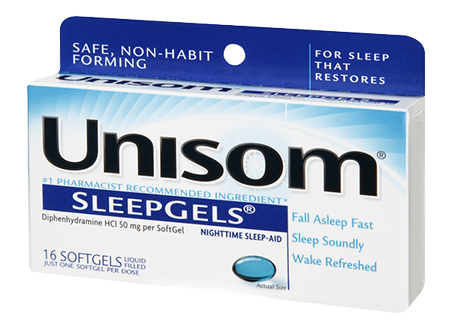
Plaintiff was in San Francisco and bought Unisom® SleepGels®. She read the product’s packaging, which stated the product is “non-habit forming”, allegedly leading her to “believe…the [p]roducts do not and cannot cause habitual use.”[i] She claims she “did not notice any disclaimer, qualifier, or other explanatory statement or information on the product’s labels or packaging…”[ii] Plaintiff defines the class as the “tens of thousands of purchasers…throughout” California and the United States, who also purchased the subject products at issue. [iii]
What Does the Complaint Allege?
The plaintiff alleges the defendants fraudulently marketed their sleep-aid as non-habit forming. The plaintiff provides an example of packaging where the words “non-habit forming” are written in the upper right-hand corner.
The plaintiff alleges that based on the way they marketed their sleeping aids, the defendants “knew that consumers would use its products in sustained patterns that increase the risk of dependence or abuse.”[iv] The products’ front labels offer reassurance that the products are non-habit forming, creating a misleading impression of the products’ effects.
The complaint includes seven separate causes of action, each stemming from the same core allegation: The defendants marketed their sleep-aid products as “non-habit forming” despite containing the leading ingredient diphenhydramine, which is capable of producing dependence, thereby misleading reasonable consumers.
The Legal Issues Presented
The complaint invokes California’s consumer protection laws, which generally prohibit businesses from engaging in unfair competition, deceptive advertising, and misleading business practices.[v] The plaintiff alleges defendants’ labeling violated these statutes by creating the impression that their sleep-aid products pose no risk of habit formation. Specifically, the plaintiff focused heavily on alleged violations of California’s Unfair Competition Law, alleging the defendants’ acts of mislabeling the products to as non-habit forming were unfair because they do not confer benefits to consumers, the utility of labeling their products in this fashion outweighed the gravity of harm caused to consumers, and there were reasonable available alternatives to further defendants’ legitimate business interests. Further, the plaintiff alleges the defendants’ actions were fraudulent because they utilized the representations that the products are not habit-forming to sell their products to consumers, who are not experts.
Why These Issues Matter
This case presents issues that are not novel but are still prevalent in the products liability arena. Specifically, whether the product packaging that lists certain attributes, such as whether a drug poses a risk of habit formation, can subject a manufacturer or distributor to liability. In fact, one of the defendants in this case was a defendant in a similar action recently brought in the United States District Court for the Southern District of Indiana[vi] on allegations its product was marketed as “pharmacist-recommended” when the product was allegedly unsafe.[vii] The Southern District of Indiana held in favor of Chattem, Inc., dismissing the case on the basis that the plaintiff did not plead enough facts to satisfy the plausibility requirement of Federal Rule of Civil Procedure, Rule 9(b).
Potential Outcome
It is likely that this new case will hinge on the same issue: whether plaintiff pled sufficient facts to satisfy the plausibility requirement. On the face of the complaint, it does not appear the plaintiff has satisfied that burden yet. The complaint merely alleges that by placing the label on the front of the packaging, both companies engaged in fraud, which is not enough to satisfy the specific pleading standard of Fed. R. Civ. P. 9(b). The plaintiff also asks for punitive damages, which must also satisfy a higher pleading threshold.
The plaintiff cited multiple studies showing the leading ingredient in these products tends to cause reliance over time, which the plaintiff likely will argue defendants knew or should have known. Whether that will be enough for a court, on its own, to overcome the pleading hurdles depends on how the Northern District of California considers the studies in the context of the allegations.
Why This Matters
While this litigation does not pose new questions for how California views its consumer protection laws, it does have the potential to limit the scope of the kinds of marketing that can be placed on differing products considering other brands use similar marketing techniques for their sleep-aid products. The complaint delves into the placement, font, and overall intent of the message conveyed on the packaging, signaling to businesses to be mindful of the same factors when marketing their products.
Conclusion
Although the complaint represents only the plaintiff’s allegations, and the court has not yet ruled on the merits, the lawsuit raises issues that could have meaningful implications for how pharmaceutical companies market their products and their efficacy. Businesses operating in this area should continue to monitor this litigation and consider whether any proactive measures are appropriate in light of the issues presented.
Keep Reading
 Getting to Verdict One Issue at a Time
 The Scariest Thing This Halloween: Nuclear Verdicts®!
 A Fall Without a Proven Cause: Causation and the Duty to Preserve Surveillance Footage in Weathers v. John C. Choe, DDS, Inc.
 Special Report: Five Key Takeaways on Florida Plaintiff Tactics
 Plaintiffs’ Attempts to Expedite an Appeal Gone Wrong: Maniago v. Desert Cardiology Consultants’ Medical Group, Inc.
 Good Record-Keeping is the Best Medicine
 Confidential Does Not Mean AI-Proof: Updating Protective Orders for AI
 The Arizona Pocket Fire: Do Not Wait for the Flames, Act Now!
 The Reason for Reason
Sources
[i] Ibid.
[ii] Id. at ¶ 20.
[iii] Id. at ¶ 65
[iv] Id. At ¶ 6.
[v] Cal. Bus. & Prof. Code, §§ 17200, et seq.; Cal. Bus. & Prof. Code, §§ 17500, et seq.; Cal. Civ. Code, §§ 1750, et seq.).
[vi] Hughes v. Chattem, Inc., Case No. 1:10-1407-SEB-DML.
[vii] See Hughes v. Chattem, Inc., 818 F. Supp. 2d 1112 (S.D. Ind. 2011).